Solar Installation in Peshawar: Year-Round Performance Explained
A smart solar installation in Peshawar can keep your home powered through blistering summers, cool winters, and the unpredictable grid in between. Peshawar’s climate is one of the most solar-friendly in Pakistan, yet many homeowners still worry about how panels perform across the seasons. This 2026 guide breaks down exactly what to expect month by month and how to design a system that delivers all year.
The city receives generous sunshine for the majority of the year, and its long summer days are ideal for high generation. Understanding these seasonal patterns is the key to sizing a system that never leaves you short.
How solar installation in Peshawar performs across the seasons
Solar output follows the sun, so it naturally rises and falls through the year. The good news is that Peshawar’s seasonal swing is manageable and predictable, which makes planning straightforward. Summer delivers peak generation, spring and autumn are strong, and even winter produces useful power on clear days.
Cooler temperatures actually help panel efficiency, so a crisp, sunny winter afternoon can produce surprisingly well despite shorter daylight hours. The main winter limitation is simply the reduced hours of sun, not the intensity.
Seasonal output at a glance
| Season | Relative Output | Key Factor |
|---|---|---|
| Summer | Highest | Long days, intense sun |
| Spring | High | Clear skies, mild heat |
| Autumn | Strong | Stable, dry conditions |
| Winter | Moderate | Shorter days, cool efficiency boost |
Because summer generation is so strong, a system sized for your annual needs will typically overproduce in the hot months and bank net-metering credits you can draw on through winter. That seasonal balancing is one of solar’s quiet advantages.
Designing for Peshawar’s specific conditions
Local design choices make a measurable difference. Dust and occasional haze mean panel cleaning matters more here than in wetter regions, and the intense summer heat rewards good ventilation behind the modules to keep them cool and efficient.
- Optimal tilt angle to capture the low winter sun as well as summer peaks.
- Adequate air gap under panels to reduce heat losses in summer.
- Dust-resistant layout with easy access for periodic cleaning.
- Robust mounting rated for occasional high winds.
Global bodies such as the International Renewable Energy Agency highlight that thoughtful system design, not just component choice, is what unlocks maximum lifetime yield. In a climate like Peshawar’s, that design discipline pays off directly in units generated.
What size system does a Peshawar home need?
Sizing starts with your consumption, not a generic template. Review a full year of electricity bills to capture both your summer air-conditioning peak and your winter baseline, then size the array to cover the bulk of that demand.
- Gather twelve months of electricity bills.
- Identify your peak summer monthly consumption.
- Estimate your daily average usage in units.
- Match array size to cover most of that daily load.
- Add a modest margin for future appliances or an EV.
Cooling load dominates summer bills in Peshawar, so many households find that a system sized to handle peak-season air conditioning comfortably covers the rest of the year with surplus to spare.
Choosing the right installer for the region
Regional experience is invaluable because an installer who works across Khyber Pakhtunkhwa understands local roof types, dust patterns, and grid quirks. Companies offering professional solar installation in Peshawar bring that first-hand knowledge to every survey and design.
Their reach often extends to nearby industrial hubs as well; the same expertise that serves Peshawar also supports clients seeking a reputable solar company in Faisalabad, which speaks to consistent standards across regions.
When solar forms part of a bigger construction or renovation, aligning with trusted professionals for the site and structural work ensures your roof is ready and the whole project stays on track.
Maintenance for maximum year-round yield
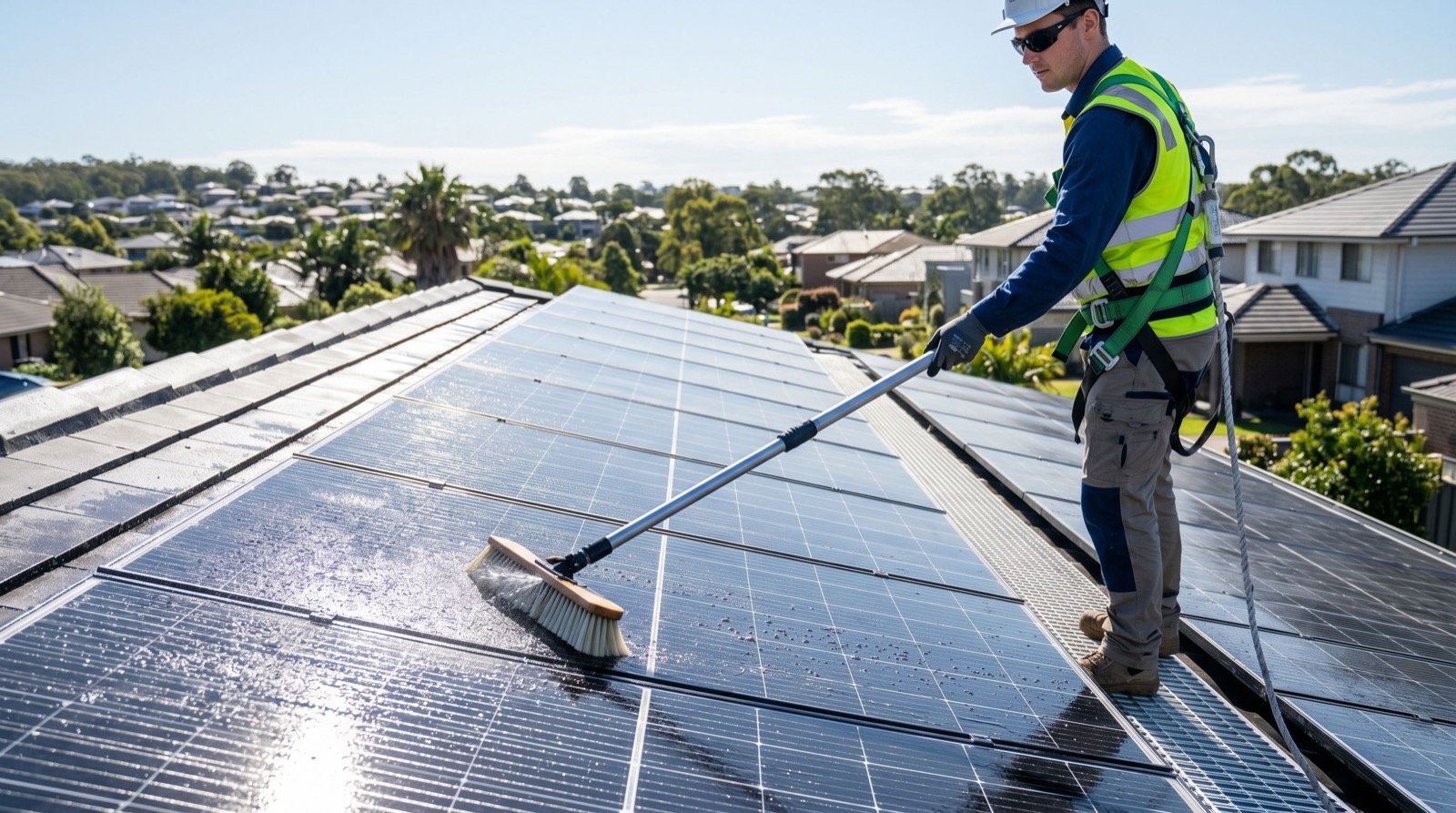
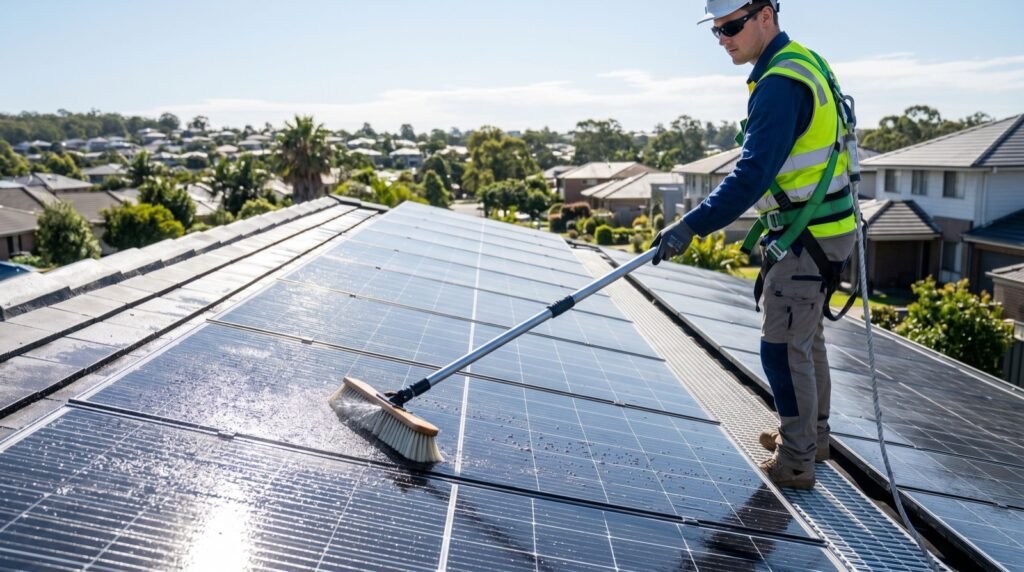
Keeping output high is mostly about cleanliness and monitoring. A quick visual check after dust storms, a gentle wash during dry spells, and an annual inspection of wiring and inverter health will keep a Peshawar system performing near its peak for decades.
Monitoring apps make this easy. Most modern inverters report daily generation to your phone, so a sudden unexplained drop becomes obvious immediately. Catching a shaded string or a loose connection early means you fix a small problem before it costs you a whole season of lost units.
The economics: what you can expect to save
Beyond the seasonal performance, the financial case is what convinces most Peshawar homeowners. Rising grid tariffs mean every self-generated unit is worth more each year, and net metering lets your strong summer output subsidise the leaner winter months.
A correctly sized residential system commonly cuts electricity bills by 70 to 90 percent, with payback periods now sitting in the region of three to five years. After that, the system produces power at a marginal cost close to zero for the remainder of its 25-year-plus life, which is why so many families view it as one of the safest investments available to them.
Because summer air conditioning drives the largest bills, a system tuned to that peak often delivers its most dramatic savings exactly when you feel the heat most. Watching a July bill fall by tens of thousands of rupees is the moment the investment truly makes sense to most households.
Adding storage for uninterrupted power
Grid reliability in parts of Khyber Pakhtunkhwa can be inconsistent, which makes battery storage particularly appealing here. A hybrid system stores surplus daytime generation and keeps essential circuits running through outages, so lights, fans, and connectivity stay on regardless of the grid.
Storage adds to the upfront cost, so many homeowners begin with a hybrid-ready grid-tied system and add batteries later. This staged approach captures immediate savings while leaving a clear, affordable path to full energy independence as battery prices continue to fall.
Frequently Asked Questions
Does solar work in Peshawar winters?
Yes. Winter days are shorter but often clear and cool, and cool temperatures improve panel efficiency. Net-metering credits banked in summer also help cover any winter shortfall.
How does summer heat affect my panels?
Extreme heat slightly reduces panel efficiency, which is why good installers leave an air gap for ventilation. Even so, the long, intense summer days make summer the highest-output season overall.
How often should panels be cleaned in Peshawar?
In dusty conditions a gentle clean every few weeks during dry periods is ideal. Keeping the glass clear can recover several percent of output that dust would otherwise cost you.
Can one system cover both summer AC and winter heating?
A correctly sized system can cover the bulk of both, especially when paired with net metering. Sizing to your summer cooling peak usually leaves comfortable headroom for winter loads.
Conclusion
A well-planned solar installation in Peshawar delivers dependable power in every season, turning the region’s abundant sunshine into year-round savings. By designing for local heat and dust, sizing to your true consumption, and choosing an installer with genuine regional experience, you can enjoy clean, reliable, and affordable electricity throughout 2026 and for decades beyond.